3 min
3 min 
About the Customer
Rush Health is a clinically integrated network (CIN) of physicians and hospitals in the Chicago area, mainly structured around four core member hospitals, that work together to deliver coordinated patient care.
Problem
Disconnected data hindered quality tracking, risk identification, and care transitions
Outcome
Integrated data improved care transition management
Cindy Schroeder, Manager of Value-based Strategy, and Amanda Tosto, Associate Vice President of Operations, at Rush Health, discuss their journey through navigating from a fragmented setup, with claims and clinical information living in separate systems, to a unified view that allowed them to better capture patient risk and improve care outcomes.
Rush Health
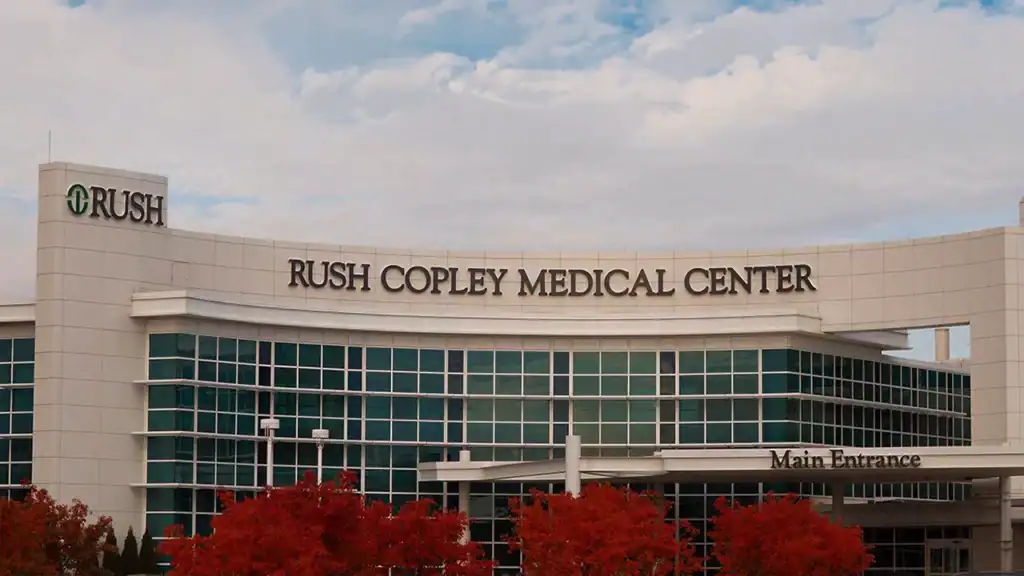
Rush Health • Chicago, IL
4
hospital system in Chicago, Illinois
2,300
providers in network
150,000
value-based care lives
Rush Health partnered with Arcadia to first focus on care management and the identification of high-risk patients. They began to use integrated ADT and EHR data to manage care transitions to ensure patients were receiving outreach after hospital discharge.
Rush continued to expand in its partnership with Arcadia to evaluate their payer-specific quality measurement. They mapped HEDIS-based measures for each of their payer programs which allowed them to better track Medicare Advantage Stars performance and other quality contracts, ultimately giving them the insights to contest score discrepancies they found with payers. Additionally, they began to roll out a monthly PCP scorecard to all of the PCPs within their network, to show them where they stood on different quality measures.
They close by discussing how through their partnership Arcadia they are now able to push risk documentation into Epic at the point of care, allowing providers to be more well-informed about their patients and capture conditions that could be otherwise missed. They note that this level of data visibility has had a direct impact on improving provider satisfaction and patient outcomes.
“You could say that using Arcadia directly impacts the patient journey.”
Lessons Learned
- Unifying claims and clinical data help capture patient risk more accurately and supports better patient care.
- Providing clinicians with clear performance reporting can drive higher engagement.
- Mapping quality measures to payer programs helps maximize incentives and earnings that a network can capture.
- Risk documentation at the point of care closes gaps in patient care that might be otherwise overlooked.